
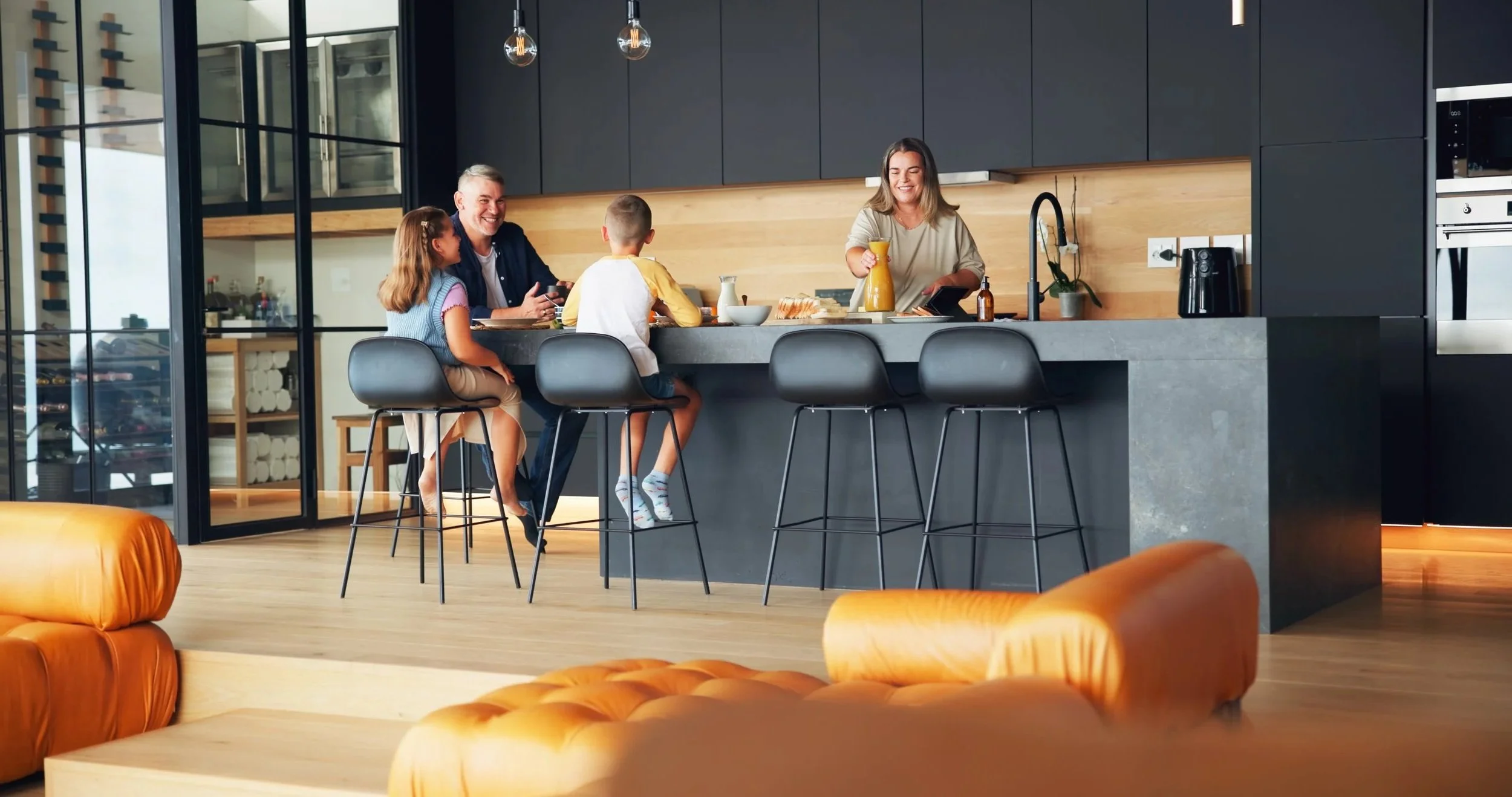
In every gathering, the kitchen naturally becomes the heart of the celebration. It’s where food is prepared, drinks are poured, and conversations unfold, keeping the energy of the moment alive. At the centre of it all is the kitchen island, often the first place guests gravitate towards and where everything comes together.
Across New Zealand homes, kitchen island design has evolved beyond a simple preparation surface. A thoughtfully designed island now supports connection, movement, and flow serving as a breakfast bar on busy mornings and the backdrop for relaxed weekend entertaining. More than ever, homeowners are choosing kitchen islands designed for entertaining, spaces that adapt effortlessly to the rhythm of everyday life.
This is why customised kitchen islands matter. Designed not just to fit the space, but to reflect how you live and host, a well-planned island should support both daily routines and full-house gatherings. At More Than Cabinets, we understand that a kitchen island that works for a crowd starts with thoughtful planning and careful execution because when designed well, a kitchen island doesn’t just function beautifully, it elevates the experience of coming together.
Five Practical Kitchen Island Design Tips for Modern NZ Homes
1. Start With The Right Layout
Before diving into the design details of your kitchen island, it’s essential to step back and look at the space as a whole. A well-designed, customised kitchen island needs enough room to function comfortably both for everyday use and for hosting. Will there be additional tall cabinetry along the walls? How many stools can realistically fit without crowding the space? These small but crucial considerations shape how well your island will work in the long run.
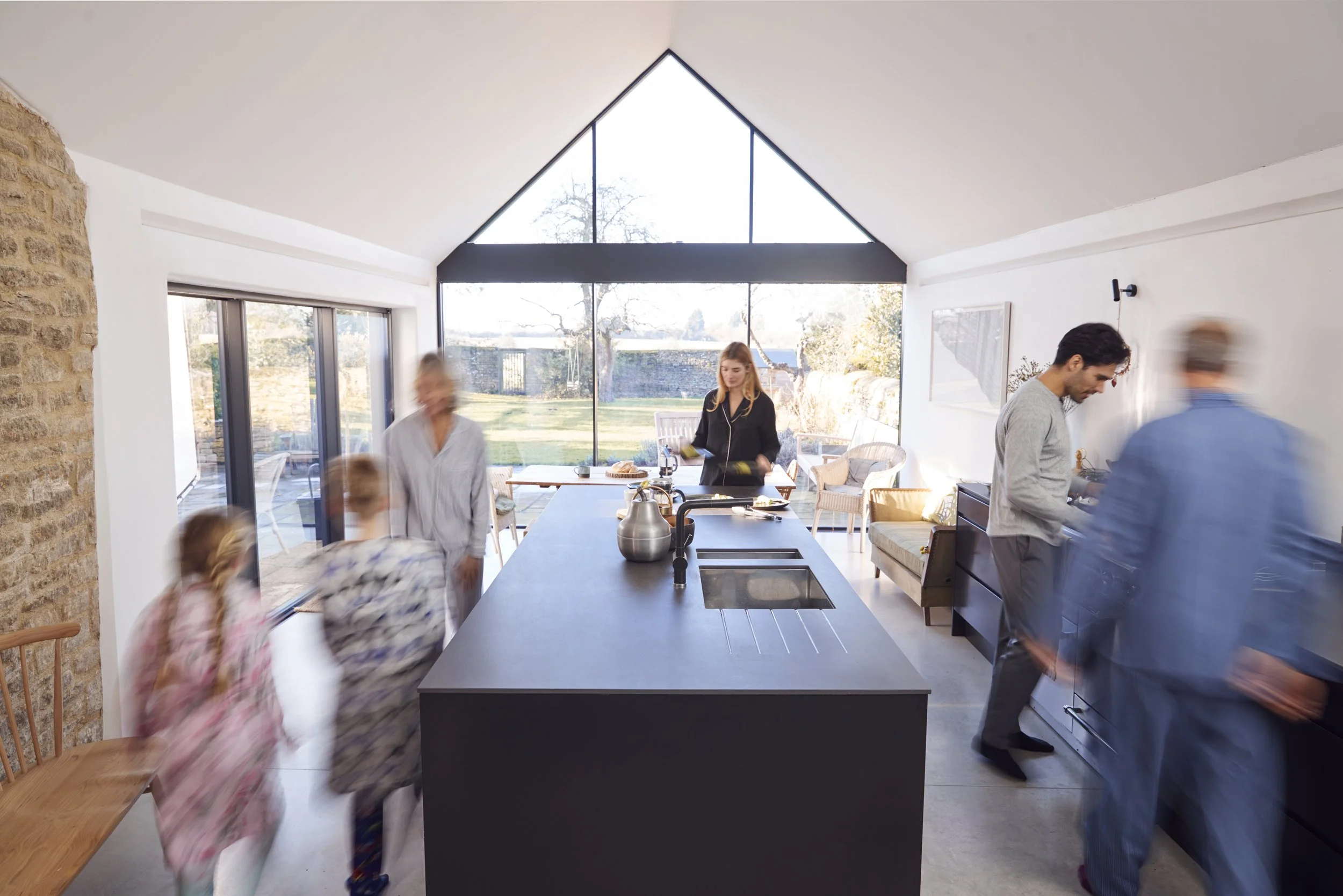
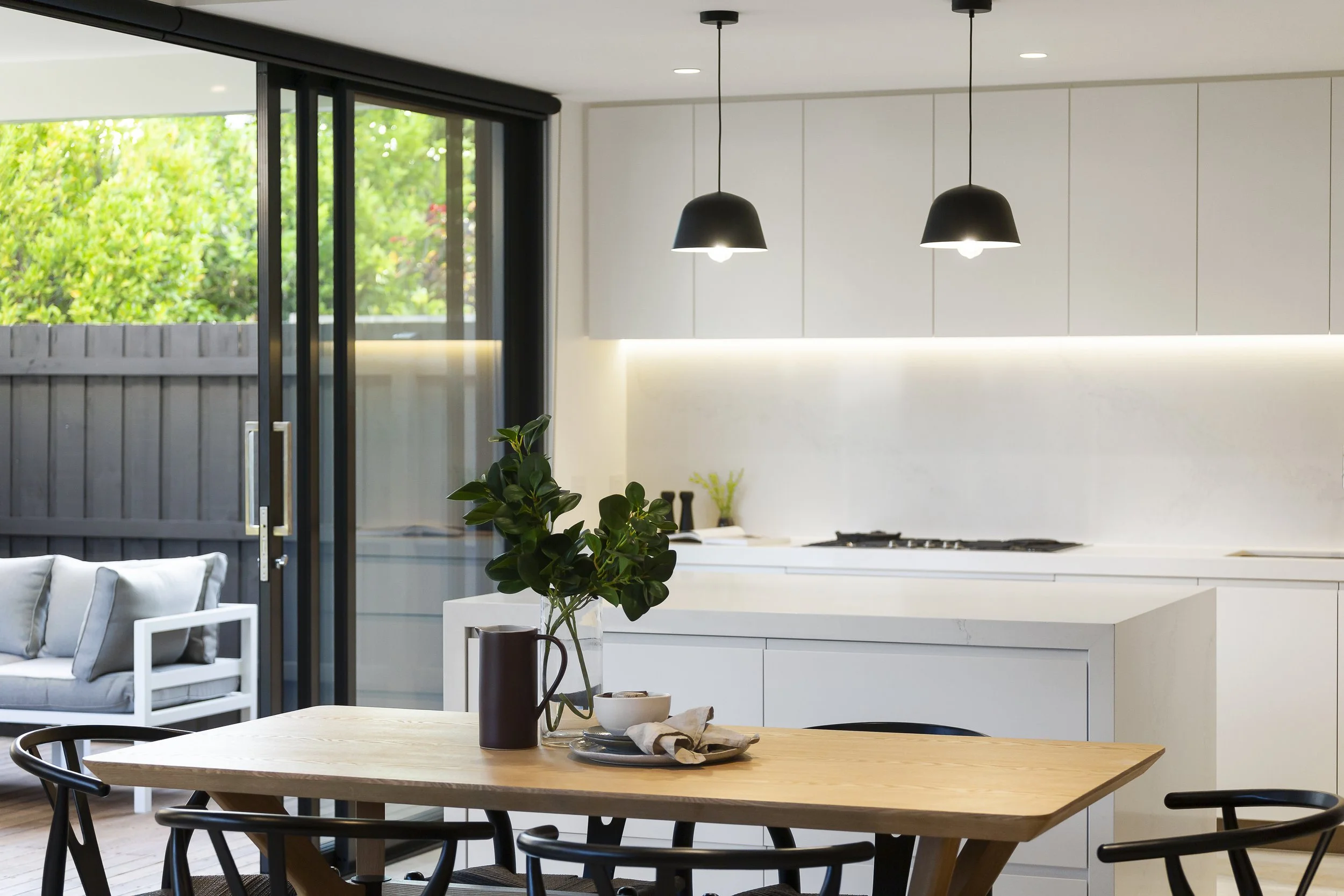
For many Kiwi homes, the most effective solution is an open-plan kitchen layout. Open layouts allow the kitchen, dining, and living areas to flow together, creating a natural environment for entertaining rather than isolating the kitchen as a purely functional zone.
Why open-plan layouts work so well:
Seamless integration with living spaces: Cooking, dining, and socialising happen side by side. While food is being prepared in one zone, the surrounding space naturally becomes a place for conversation and connection.
Clear, unobstructed flow: Think of your kitchen like a well-planned pathway from appliances, cabinetry, and the island are positioned intentionally to avoid bottlenecks, allowing guests to move freely without interrupting activity.
To put this into perspective, typical NZ kitchen islands are usually around 1800–2400mm long. For homes designed with entertaining in mind, islands often extend to 2700mm or more, provided there is adequate clearance around them. This is why layout planning comes first. You’re designing the space around the island, not squeezing one in as an afterthought. When the layout is right, everything else falls into place.
2. Planning the Features of Your Kitchen Island
Today’s kitchen islands are far more than a single surface in the middle of the room. They’re designed to flex, adapt, and evolve with your lifestyle, supporting everything from daily routines to full-house gatherings. This multifunctionality comes from thoughtful integrations, chosen not for novelty, but for how you actually use your kitchen.
Rather than trying to include everything, the key is to select features that serve your needs and enhance the flow of the space. Here are some popular and practical integrations to consider:
Sink: A sink in the island allows for quick clean-ups without moving dishes across the kitchen, keeping mess contained and the space guest-ready.
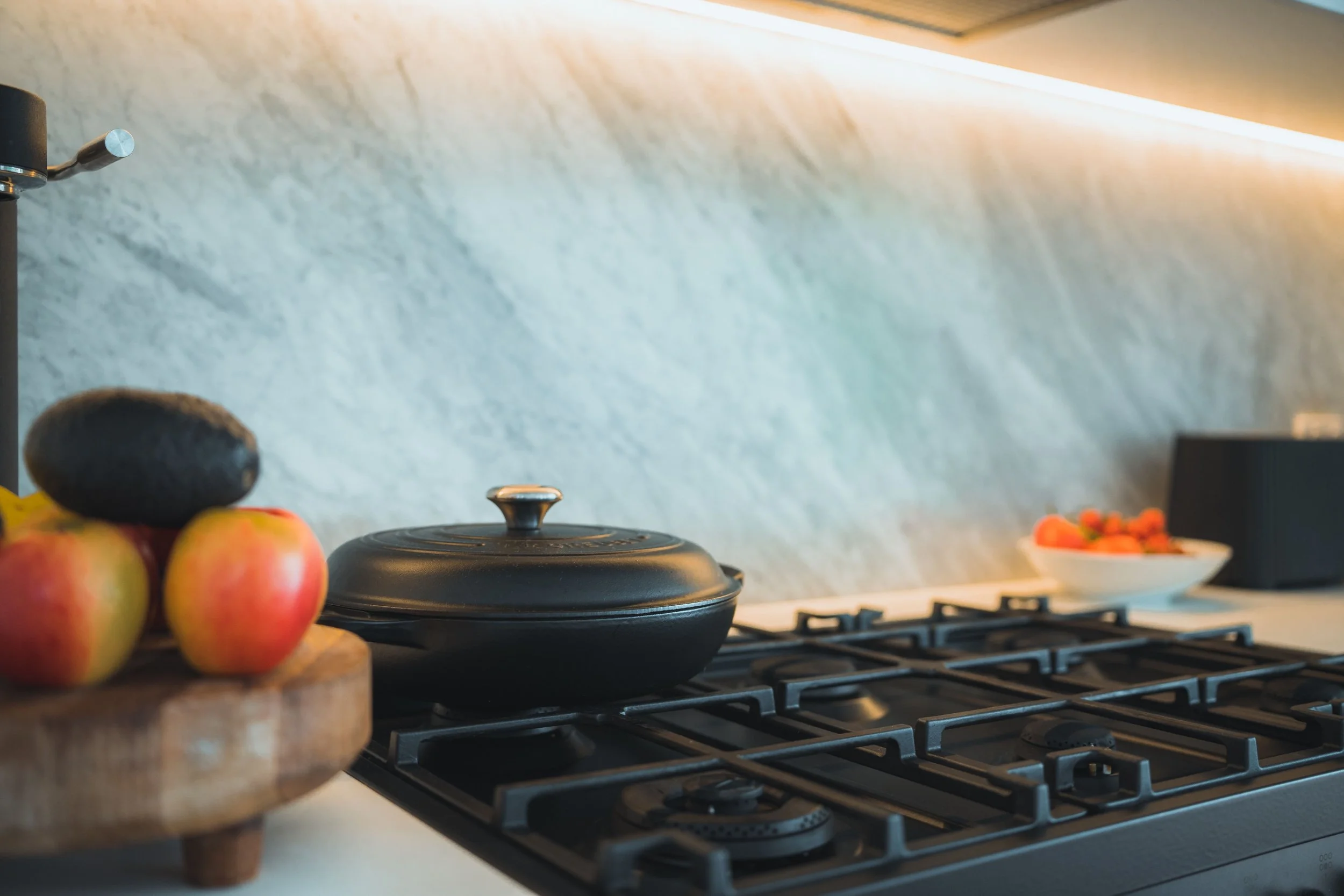
Cooktop or hood: A cooktop can be convenient for interactive cooking, while a dedicated hood is especially useful for bulk cooking or frequent entertaining, helping manage heat and odours.
Mini fridge or beverage drawer: Perfect for storing drinks and easy-access items, a mini fridge reduces traffic to the main refrigerator and keeps guests comfortably self-sufficient.
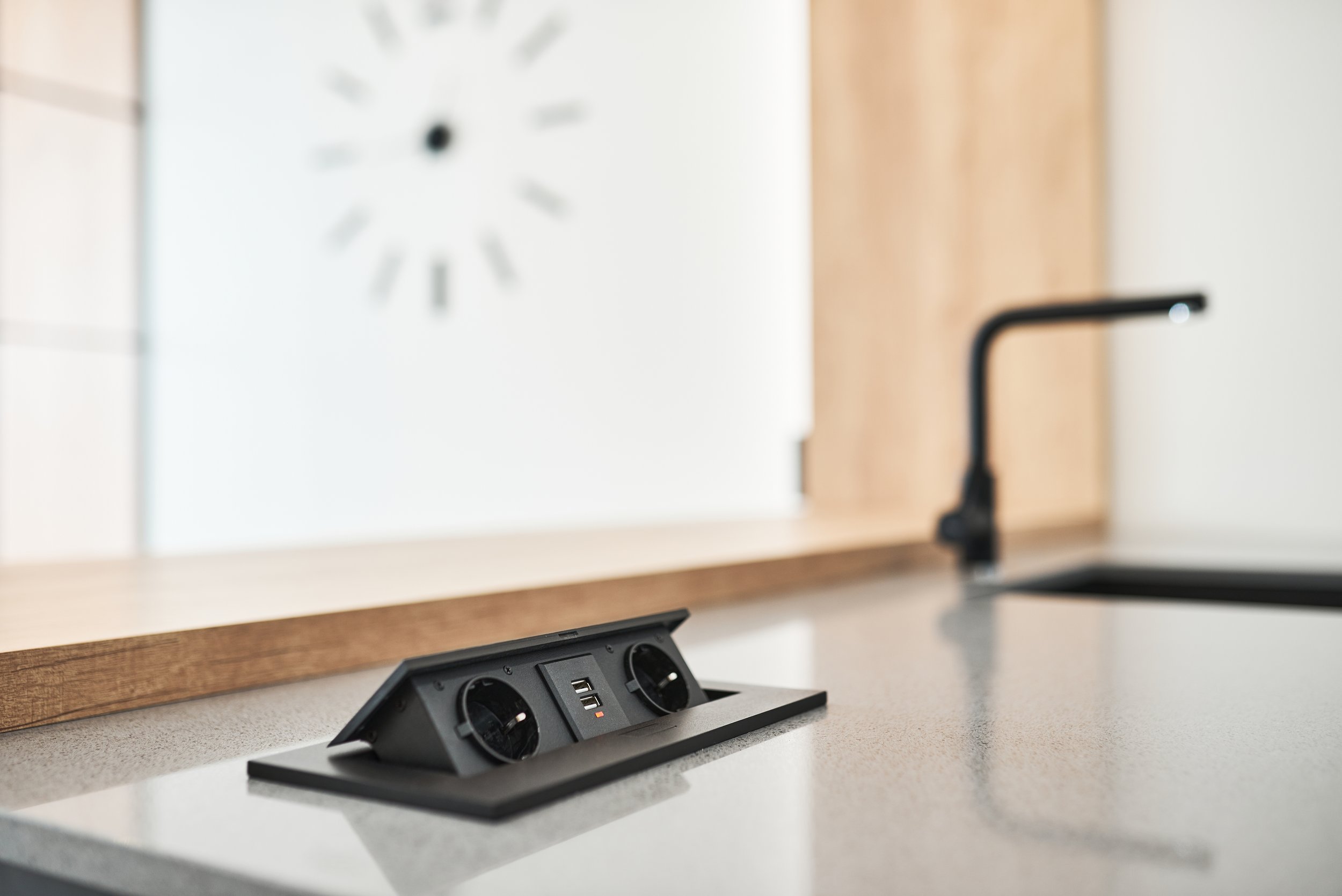
Power outlets: Discreetly placed outlets make it easy to use small appliances or charge devices, without trailing cords across walkways or cluttering benchtops.
Pull-out table: A pull-out surface adds flexibility, creating extra space when needed, and tucking neatly away when not in use.
There are countless ways to customise a kitchen island, but the best designs always start with function. When features are thoughtfully planned and tailored to your lifestyle, the result is a kitchen island that supports stress-free hosting.
3. Maximising Space Through Smart Storage Solutions
In New Zealand homes, every square metre counts. A well-designed kitchen island recognises this by integrating smart storage solutions that make the most of the available space. It’s not about squeezing everything in. It’s about using space intelligently, so the island remains functional, organised, and comfortable to gather around.
There are many storage options to choose from, but the most effective designs are those tailored to how you use your kitchen. Consider incorporating the following:
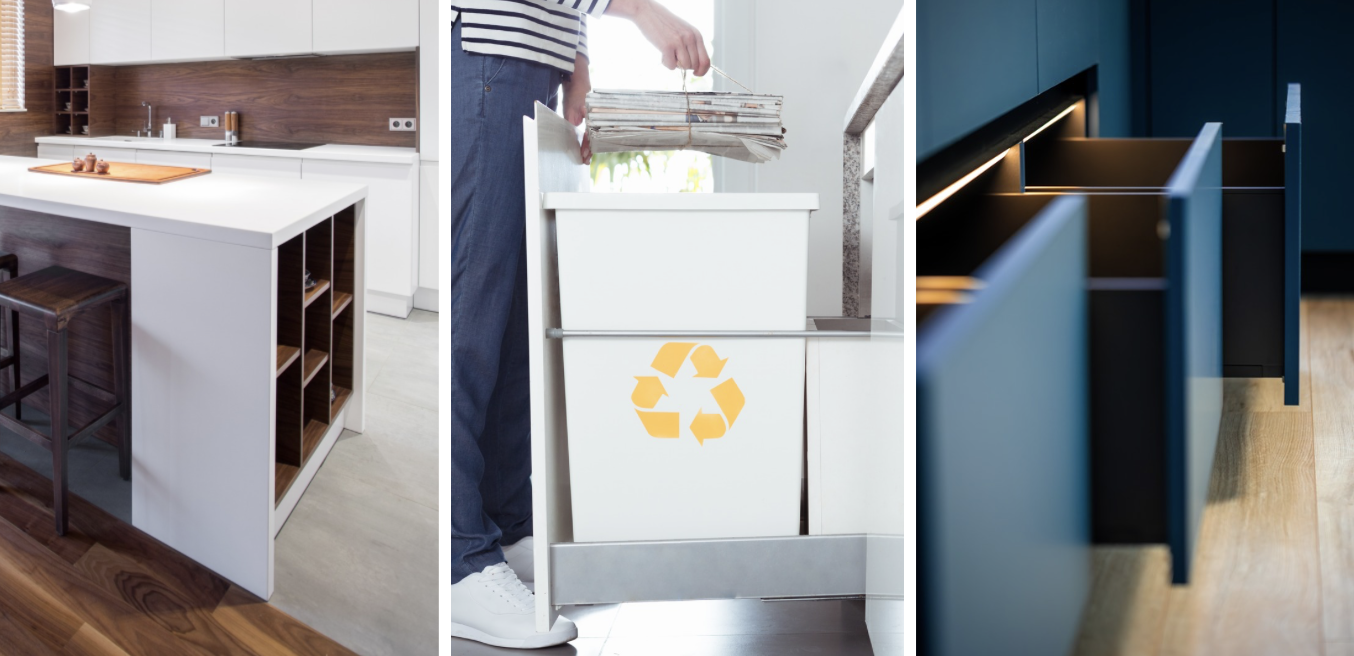
Open shelving within the island: Open shelving keeps frequently used items within easy reach while also offering an opportunity to display cookbooks, serving ware, or decorative pieces. Integrated LED lighting can further elevate the look while improving visibility.
Pull-out trash and recycling: Positioned near the sink, this keeps waste out of sight, reduces odours, and helps maintain a clean, organised kitchen during and after gatherings.
Deep pull-out drawers: Drawers provide accessible storage for cookware, utensils, spice racks, and everyday essentials. Whether finished with handles or designed with seamless push-to-open mechanisms, they keep items neatly stored while maintaining a clean aesthetic.
By incorporating smart storage solutions into your kitchen island, you create more usable bench space and a calmer environment particularly when hosting. Thoughtful storage design ensures everything has its place, allowing the kitchen to stay organised, functional, and inviting even when the house is full.
4. Using the Kitchen Island as a Design Anchor
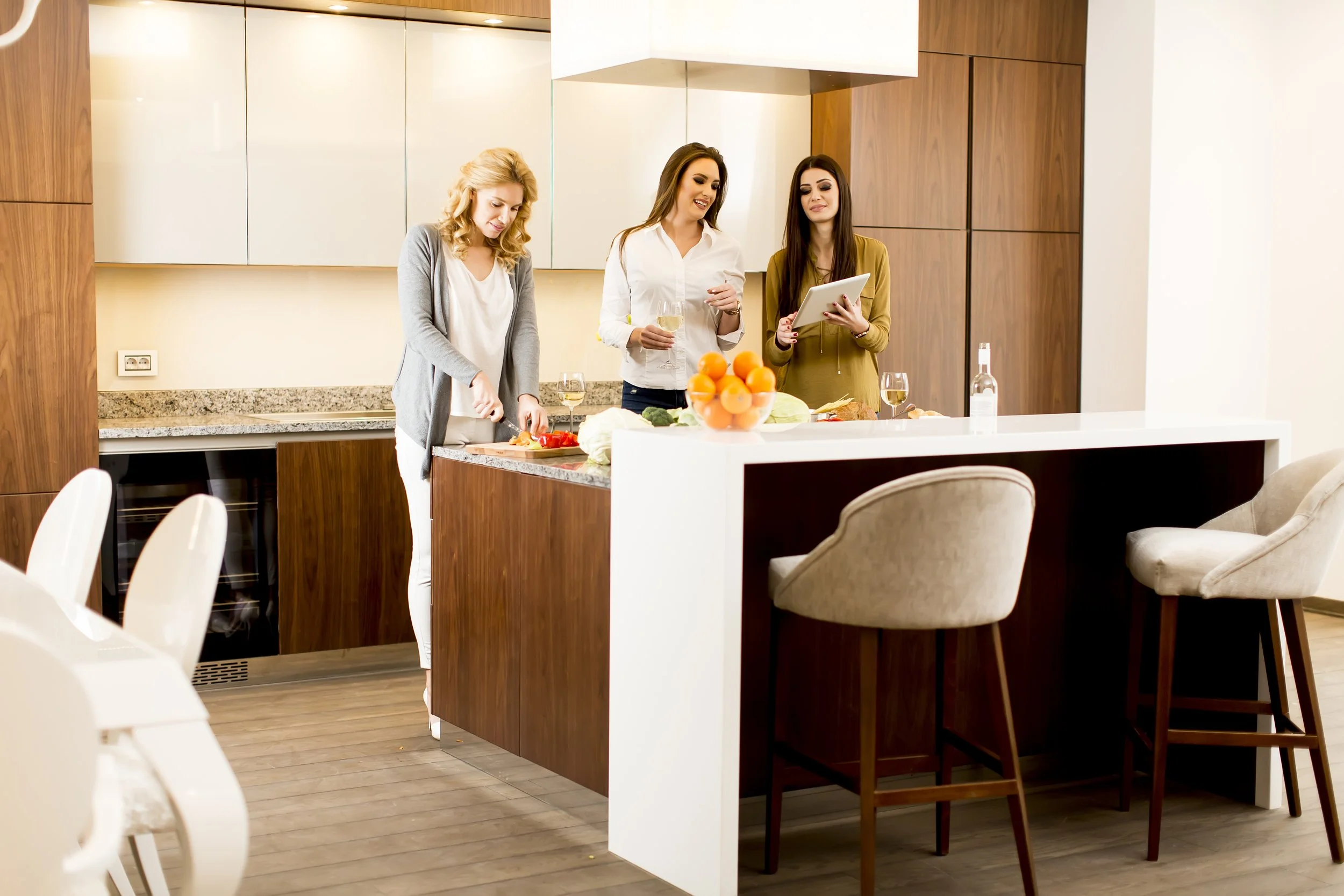
One of the key secrets to stress-free hosting is creating clear zones within the kitchen and the island plays a central role in making this work. When designed intentionally, the kitchen island helps define areas for cooking, serving, socialising, and cleaning, allowing gatherings to flow naturally without congestion or confusion.
As the anchor of the space, the kitchen island brings people together. Thoughtful extensions like seating or a built-in table enhance its function while keeping the design visually balanced. Think about:
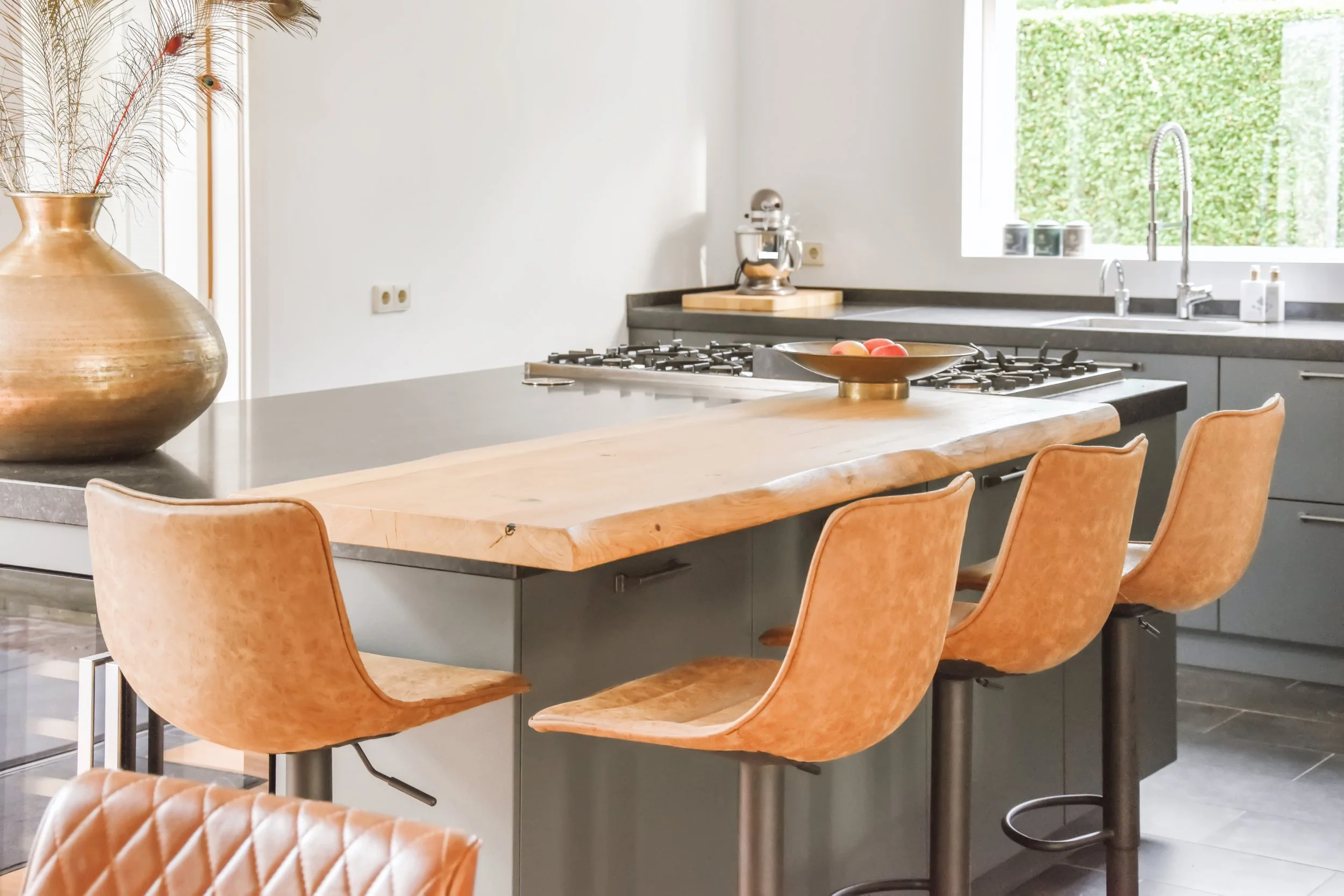
Split-level kitchen islands: This design creates clear zones for both cooking and eating. One level of the island is dedicated to food preparation, while the other provides a comfortable space for guests to gather. It also allows for creative expression, as different materials, colours, or finishes can be used on each level to subtly define their purpose.
Built-in banquette: A built-in banquette offers a relaxed and inviting way for guests to gather. The lowered seating is often designed as a sofa paired with a small table which creates a comfortable, guest-friendly zone that’s ideal for breakfast nooks, casual brunches, and lingering conversations.
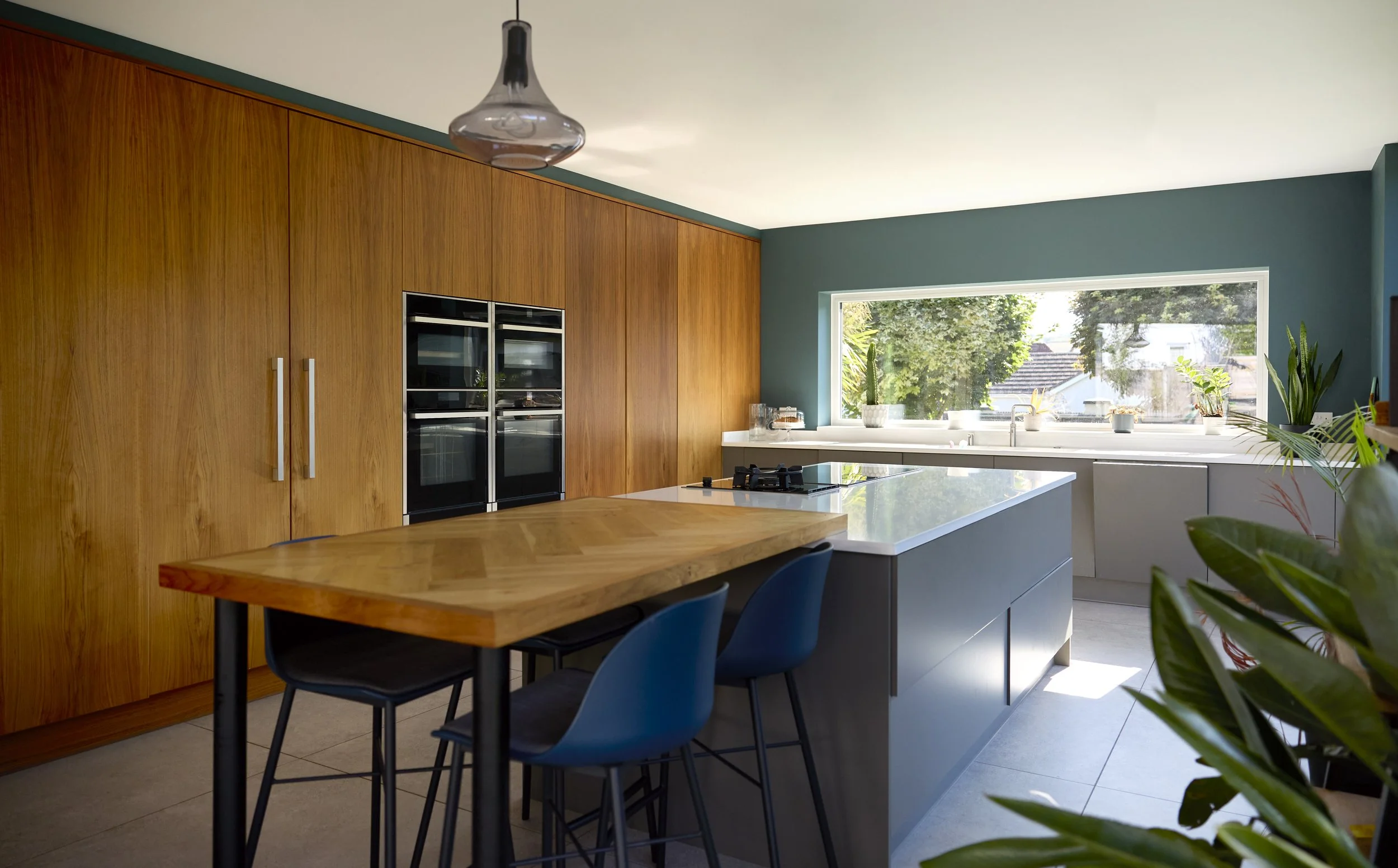
Stand alone table: A stand-alone table can act as a natural extension of the kitchen island, adding extra surface and seating without committing to a fully built-in design. While it may feel more flexible than permanent solutions, it’s ideal for homeowners who want additional space now with the option to convert it into cabinetry or a more integrated feature in the future.
Making your kitchen island the centrepiece is only the beginning. What matters just as much is how the space is designed around it. Thoughtful planning of what to include and what to leave out ensures the island enhances the kitchen rather than becoming cluttered or overwhelming.
5. Exploring Angles and Shapes in Kitchen Island Design
Playing with different kitchen island angles and shapes allows both form and function to work together. Beyond visual interest, the shape of an island can influence how people move, gather, and interact within the space. It’s also an opportunity to express your personal style and set the overall tone of the kitchen.
From soft curves to angled layouts, the right shape can improve flow, enhance usability, and elevate the design. Consider options such as:
Waterfall Edge Island: A waterfall-edge island allows the benchtop material to flow seamlessly down the sides to the floor, creating a clean and cohesive look. This design adds visual weight to the island and gives the impression of a wider, more grounded centrepiece.
Curved Edge Island: A curved-edge island continues to grow in popularity in New Zealand kitchens. Its soft lines introduce elegance and visual flow, while reducing sharp corners making it a practical and family-friendly option for busy households.
L-shaped Kitchen Island: This versatile shape brings a sense of openness and structure to the kitchen. An L-shaped island offers generous surface area for both food preparation and entertaining, making it ideal for homes that host often.
Round Kitchen Island: A round island encourages seamless movement and natural interaction. With no sharp edges, it creates a more fluid flow around the space and offers greater flexibility for gathering and circulation.
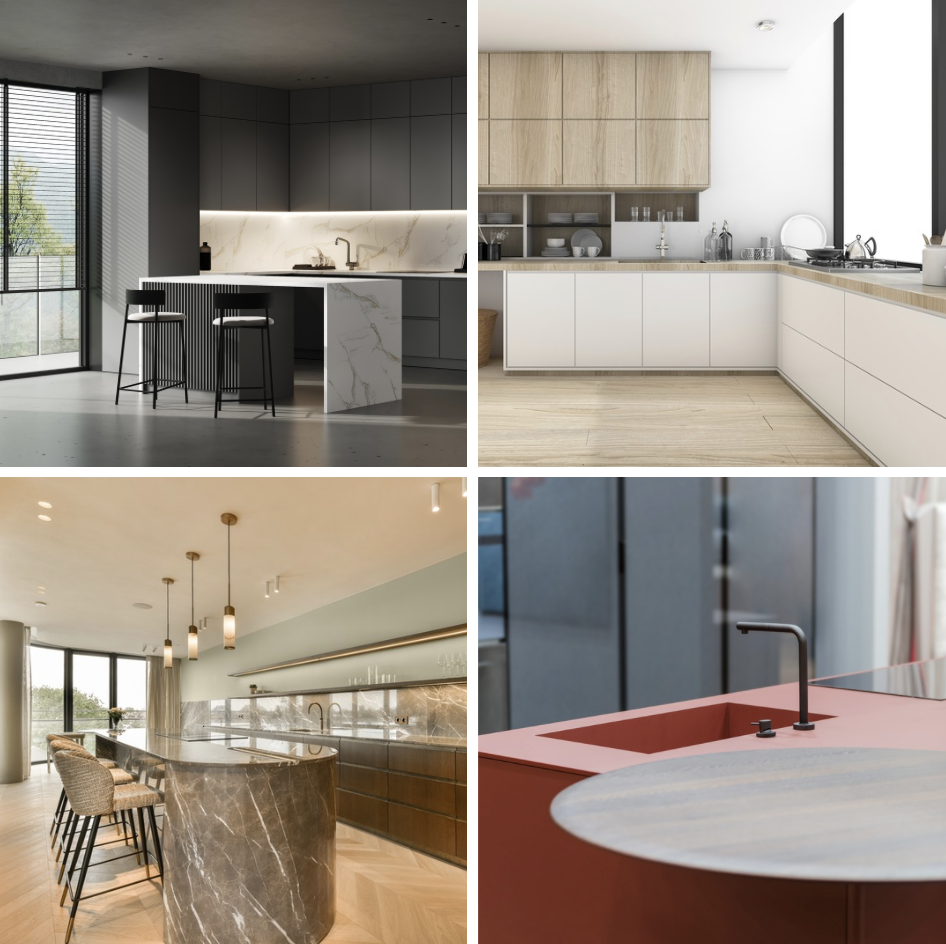
Playing with different angles and shapes allows you to explore more expressive and flexible kitchen island designs. But beyond aesthetics, the most successful choices are always grounded in how you live and move through the space. When shape, function, and flow are considered together, the island not only enhances the look of the kitchen but supports everyday routines and effortless entertaining.
Invest in a Kitchen Island Made for House Gatherings
Before building anything, it’s important to start with a clear plan whether that’s inspiration images, layout ideas, or a vision for how you want your kitchen to function around the island. While designing for future house gatherings is essential, the island should also support your everyday routines and reflect your lifestyle. The most successful kitchens strike a balance between hosting with ease and living comfortably day to day.
Designing a kitchen island that can handle a crowd is an investment that pays off over time. When planned properly, it reduces the need for costly changes later and ensures the space continues to work as your needs evolve. If you’re based in Hamilton and planning to build or renovate, More Than Cabinets is here to help. We approach every project with care, craftsmanship, and a deep understanding of how kitchens shape everyday life.
Let us help you unlock the full potential of your kitchen island designed for relaxed, stress-free gatherings where meals are shared and moments are remembered. Thoughtfully planned and beautifully executed, it’s a space that brings people together, again and again.
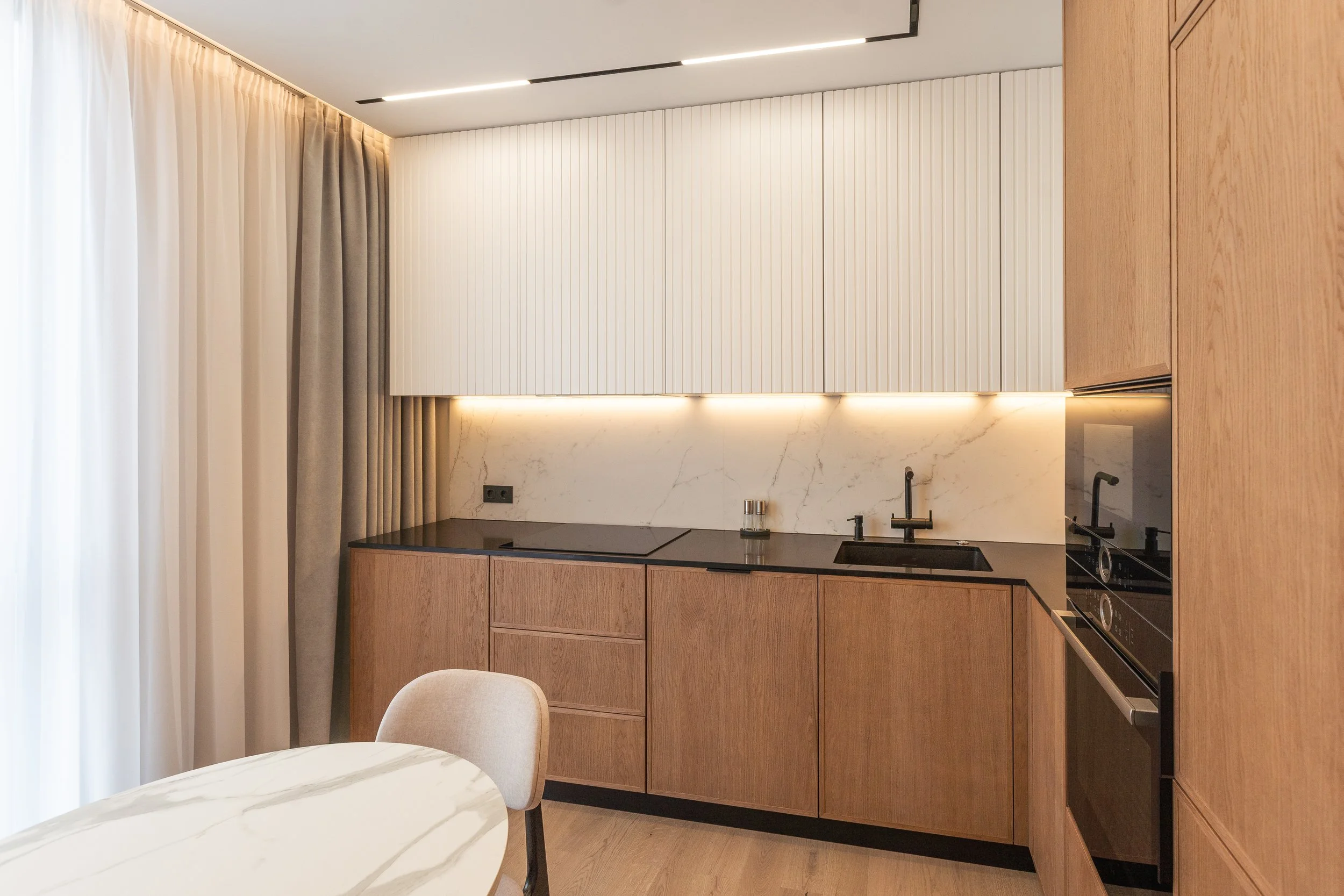
Ready to design a kitchen island that fits the way you live and host?
Start a conversation with More Than Cabinets and explore a kitchen island designed around your home, your lifestyle, and the people you love to gather with.